Building your own website might seem like a great way to save money and have complete control over your brand's online presence. But sometimes, all this effort doesn't lead to attracting the customers you expected. You created it, filled it with content, and shared it, yet your audience isn't engaged. The harsh truth is, crafting a well-designed website is more than just clicking a few buttons or dragging and dropping elements. It's a complex task that involves understanding customer behavior and applying design practices that entice visitors.
Having a website that fails to pull in customers can be frustrating. It could be due to various overlooked elements, like design choices or user experience, which impact how visitors interact with your site. A professional touch can make all the difference here, converting those clicks into meaningful interactions. Understanding what makes people click "buy" or reach out can transform a lackluster DIY site into an effective business tool. Let's explore common pitfalls and their solutions.
Lack of Professional Design: Why It Matters
The first impression your website makes often sets the tone for user engagement. Amateur design can quickly send visitors running to your competition. Poorly chosen fonts, awkward layouts, and mismatch in color schemes can make a site appear untrustworthy or outdated. Here's how a professional approach can help:
- Visual Appeal: Professionals use consistent branding and well-chosen color palettes to evoke emotions that align with your brand's identity. A palette that works together, rather than clashing colors, ensures a cohesive look.
- Structure: A logical and clean layout is key. This includes clear call-to-action buttons and strategically placed content that guides users naturally through the site.
- Branding Consistency: Using the same logos, fonts, and colors across all pages creates a unified brand identity, reinforcing trust and recognition.
Let's say your business is an online bakery. Your DIY site might be cluttered with too many images of products, distracting from the content and making it hard to navigate. A professional designer would streamline the layout, using whitespace and strategically positioning key elements to naturally guide your potential customers toward placing an order.
It's not just about looking good; it's about functionality. Design plays a big role in whether or not a visitor becomes a loyal customer. Investing in professional design can bridge the gap between traffic and conversion, ensuring that visitors stay on your site longer and become more than just temporary clicks.
Inadequate SEO Practices: A Hidden Barrier
A website's design isn't the only factor influencing its effectiveness. Search Engine Optimization, or SEO, plays a role in how easily your site can be found by potential customers. DIY website creators often neglect SEO or apply incorrect practices, which can lead to low visibility in search engine results. This means potential customers might never even see your site if it's buried deep in the search pages.
Here are some common SEO mistakes with DIY websites:
- Missing Keywords: Without the right keywords, search engines may struggle to understand what your site offers. This leads to poor ranking or appearing in irrelevant searches.
- Lack of Meta Tags and Descriptions: Without these tags, search engines have a tough time indexing your site, affecting its visibility.
- Ineffective URL Structure: A complex or irrelevant URL can confuse search engines and users alike, making it hard to find or remember.
Professional SEO services can address these areas by strategically optimizing text and metadata, ensuring your site uses relevant, high-traffic keywords. They also improve interlinking and overall site architecture to promote better web crawling by search engines.
Poor User Experience: Navigational Challenges
User experience is the backbone of keeping visitors engaged. Navigating a DIY website can feel like a maze without clear paths or a logical structure. This can frustrate users, causing them to leave without interacting or converting. Common pitfalls include:
- Confusing Menus: A cluttered or complex menu can overwhelm users, making it hard for them to find what they need.
- Broken Links : These lead nowhere and add to frustration, signaling a lack of attention to detail.
- Overloaded Pages: Too many elements or heavy graphics can slow down load times, causing visitors to lose interest.
Streamlining navigation systems and improving site speed are key areas where professionals can make a difference. They organize content logically, ensure that links function properly, and use techniques to minimize load times.
Subpar Mobile Optimization: Losing Mobile Users
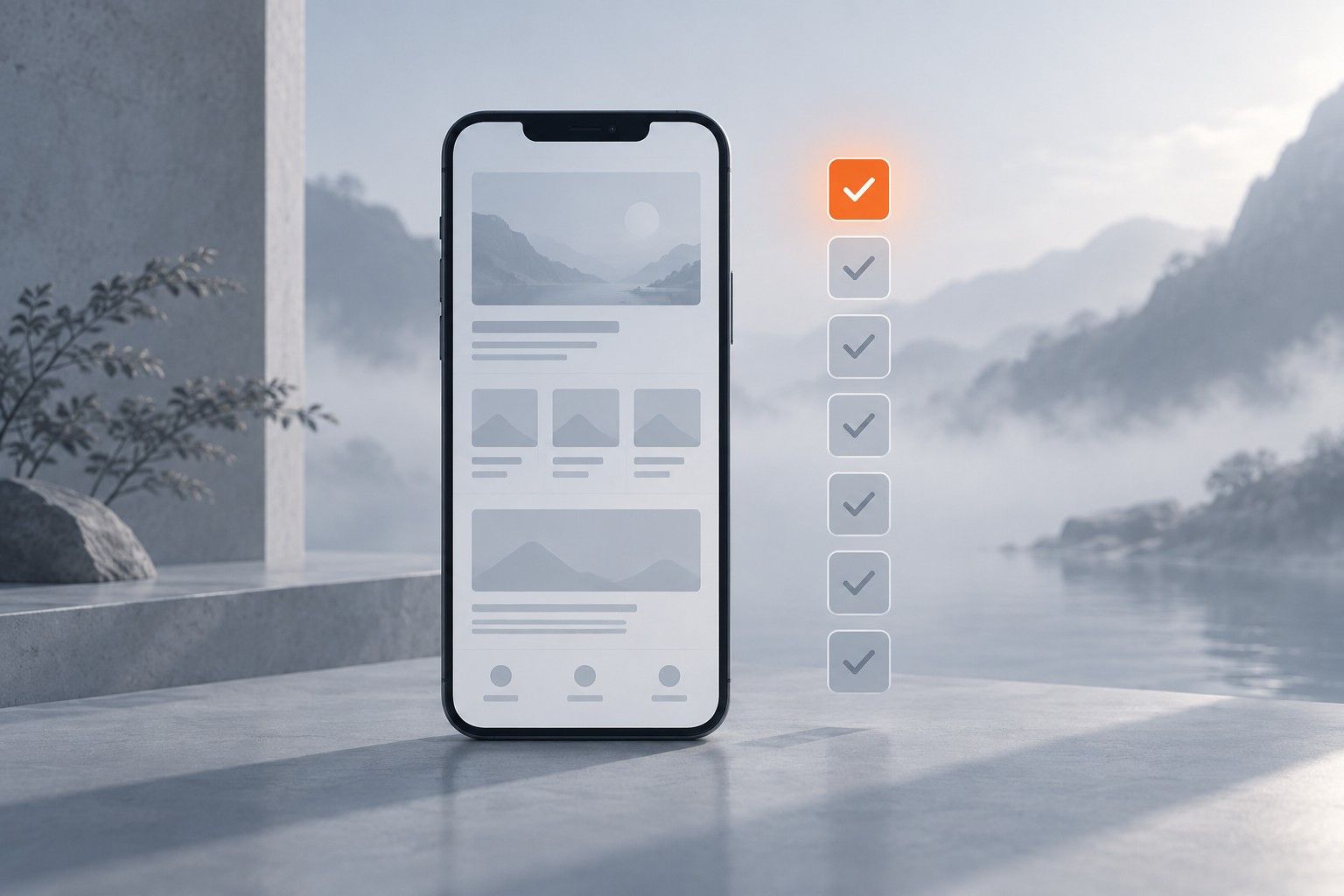
With mobile users growing rapidly, ensuring your website is mobile-friendly has become necessary. DIY websites often falter in this area, causing them to miss out on reaching a significant audience. A desktop-only design might look great on a computer but can be unreadable on a phone or a tablet.
Let's look at why mobile optimization matters:
- Responsive Design: A site must automatically adjust to fit screens of all sizes, providing a consistent user experience.
- User-Friendly Navigation: Touch-friendly navigation and readable text size make interaction smoother.
- Fast Loading Speeds: Mobile users are often on the go, so quick load times are a must to keep them engaged.
Professionals ensure that a site's design is responsive and that it's easy to navigate across devices. They also optimize images and scripts for faster loading, ensuring no visitor is left frustrated by lagging pages.
Final Thoughts
DIY websites often fall short in critical areas that impact customer attraction and retention. Design, SEO practices, user experience, and mobile optimization all play pivotal roles in ensuring your site is not just seen but appreciated by visitors. Addressing these elements can transform an underperforming website into a vibrant platform for engagement and interaction.
For those seeking to elevate their online presence, considering an affordable website design service could provide the needed expertise and tools to make a lasting impression on visitors. Embracing professional insights can lead to a seamless, effective website that stands out in the crowd and thrives in the digital landscape.
For a comprehensive solution to the common pitfalls of DIY websites, trust the expertise of a dedicated team. If you want a polished and responsive site that encourages engagement and success, SpeedMobi is your go-to destination. Learn more about how an
affordable website design company
can transform your online presence and empower your business to thrive. Explore the options and take the first step toward a more effective digital experience.
Written for contractors, not marketers. What is working in local search and AI right now, in five minutes. No fluff, no spam, unsubscribe anytime.
Connects to QuickBooks Online in one click. Your competitors ask 100% of customers for reviews automatically. Now you can too.
See How It WorksTake the free assessment and get a full report on where your marketing stands and what to fix first.
Start My Free Assessment